How To Design A Minimalist Lifestyle Transition Roadmap
The journey toward a minimalist lifestyle doesn’t have to be overwhelming. In fact, the gentler your transition, the more likely it is to stick. A key facet within a minimalist lifestyle transition roadmap is to accept that sustainable change happens gradually, not overnight.
Key Takeaways: Minimalist Lifestyle Transition Roadmap
- Transitioning to minimalism works best with small, consistent steps rather than dramatic overnight purges
- Starting with a clear “why” creates motivation that sustains you through challenging decluttering decisions
- The “maybe box” technique prevents decluttering regret while still removing items from your immediate space
- The Ultimate Savings Toolkit offers expert guidance for those seeking personalized minimalist transition guidelines
- Room-by-room minimalism creates manageable projects that build momentum for your entire lifestyle shift
Minimalism isn’t about deprivation — it’s about intention. It’s choosing to surround yourself only with things that add genuine value to your life while removing what doesn’t. SimplifyNow helps people discover how liberating it feels to live with less distraction and more purpose. When you strip away the excess, what remains is often exactly what matters most.
Why Less Really Is More: The Life-Changing Impact of Minimalism
Minimalism creates space — not just physical space in your home, but mental and emotional space in your life. When you’re no longer drowning in possessions that demand your time, energy, and attention, you discover resources you didn’t know you had. Many people report feeling like they can finally breathe after simplifying their surroundings.
The benefits extend far beyond a tidy home. Research consistently shows that excess clutter elevates stress hormones, impairs focus, and contributes to decision fatigue. By contrast, minimalist spaces promote calm, clarity, and better sleep. Your home environment directly impacts your mental state, whether you realize it or not.
Financial freedom is another powerful byproduct of minimalist living. When you break the cycle of constant consumption, you naturally spend less while appreciating what you have more. Many minimalists find themselves able to work less, save more, or redirect funds toward experiences rather than things. This shift from accumulating to experiencing represents one of minimalism’s most profound gifts.
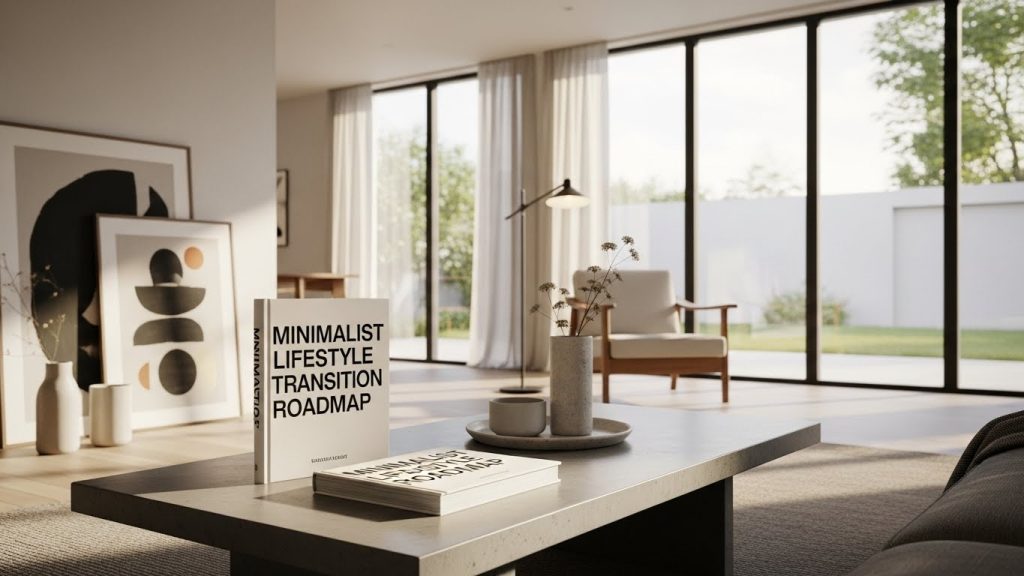
Start Your Minimalist Journey With These 5 Simple Steps
The path to minimalism doesn’t require selling everything and moving into a tiny house (unless that’s your dream). Instead, focus on gradual, sustainable change. These five steps provide a framework that anyone can follow, regardless of their current situation or living arrangement.
1. Ask Yourself Why You Want to Simplify
Your “why” is your compass. Without it, you’ll likely abandon ship at the first challenging decluttering decision. Take time to journal about what draws you to minimalism. Perhaps you crave more freedom, less cleaning, improved financial health, or environmental responsibility. Maybe you simply feel suffocated by your possessions and long for breathing room.
Be specific about what minimalism means to you personally. There’s no universal standard—your version might look different from mine or anyone else’s. What matters is that it aligns with your values and goals. Write down your why and keep it visible during your transition; it will sustain you when motivation wanes.
2. Begin With One Small Space
Attempting to tackle your entire home at once guarantees burnout. Instead, choose one small, contained area where success is virtually guaranteed. A drawer, a shelf, or even just your wallet can be your starting point. The goal is to experience the immediate satisfaction of transformation.
Work in 15-minute intervals if a larger block of time feels intimidating. Short, focused sessions prevent the overwhelm that derails many minimalist aspirations. Remember: small victories build momentum. Each successfully simplified space becomes motivation for the next project.
Photograph your space before and after. Visual evidence of your progress reinforces the positive changes you’re making and serves as tangible proof when doubt creeps in. These images can become powerful reminders of why you started this journey in the first place.
3. Create a “Maybe” Box for Items You’re Unsure About
Decluttering paralysis often strikes when we encounter items we’re not ready to part with but don’t actively use or enjoy. The “maybe box” technique elegantly solves this problem. Designate a container for these uncertain items, seal it with packing tape, and write a “decision date” three to six months in the future.
Store the box out of sight—perhaps in a garage or closet. When the decision date arrives, if you haven’t needed or missed anything inside, donate the entire box without reopening it. If you’ve thought about a specific item, that’s your cue that it might actually deserve space in your life.
“The maybe box was my breakthrough tool. After six months, I couldn’t even remember what I’d put inside, which made donating it painless. That’s when I realized how little I needed most of my possessions.” – Marie, SimplifyNow community member
4. Establish a One-In-One-Out Rule
This simple principle prevents clutter from creeping back after your initial decluttering efforts. For every new item that enters your home, one must leave. This creates a natural pause before purchases, prompting the question: “What am I willing to release to make room for this?” Shopping becomes more intentional when you know something else must go.
Apply this rule universally—clothing, books, kitchen gadgets, even digital files. Consider upgrading to a “one-in-two-out” approach if you’re trying to further reduce your possessions. The rule works because it acknowledges that some new acquisitions are necessary or meaningful while maintaining boundaries around your total volume of possessions.
5. Set a Regular Decluttering Schedule
Minimalism isn’t a one-time event but an ongoing practice. Schedule recurring decluttering sessions on your calendar, treating them with the same commitment as any important appointment. Monthly reviews of specific categories (clothing, books, kitchen items) prevent accumulation from sneaking back into your life.
Seasonal transitions provide natural decluttering opportunities. As you rotate clothing or holiday decorations, question each item’s place in your life. The changing of seasons often brings clarity about what you actually use and value, making it easier to release items that no longer serve you.
Remember that maintenance is easier than overhauls. A 15-minute weekly reset of trouble spots (entryways, kitchen counters, desks) prevents the need for massive decluttering projects later. These small, consistent efforts compound over time, much like any successful habit.
Room-by-Room Minimalism Guide
Breaking down your minimalism journey by room creates manageable projects that build momentum. Each space has its own challenges and opportunities. I recommend starting with areas that cause you the most stress or where you spend the most time.
Tackle Your Closet First
Your wardrobe often contains the highest volume of unused items in your home. Begin by removing everything—yes, everything—from your closet and drawers. This reset allows you to evaluate each piece individually rather than as part of a crowded collection. Only items that fit well, feel good, and align with your current lifestyle deserve to return to your closet.
Try the backwards hanger trick to identify what you actually wear. After cleaning your closet, hang all clothes with hangers facing backward. After wearing and washing an item, return it with the hanger facing forward. In six months, anything still hanging backward reveals itself as unused and ready for release.
Consider a capsule wardrobe approach where fewer, higher-quality pieces mix and match effortlessly. Most people wear 20% of their clothes 80% of the time. Imagine the freedom of a closet containing only pieces you genuinely love and wear regularly—no more decision fatigue each morning.
Kitchen Essentials Only
Kitchens attract single-purpose gadgets and duplicate tools that crowd valuable workspace. Begin by removing everything from a single drawer or cabinet, wiping it clean, and returning only what you use weekly. Items used less frequently should earn their storage space by providing significant value when needed.
The “one tool, multiple uses” principle creates breathing room in your kitchen. A good chef’s knife eliminates the need for specialized slicers and dicers. A blender might replace several single-purpose appliances. Quality always trumps quantity in a minimalist kitchen.
Food storage containers deserve special scrutiny. Match lids to containers and discard any orphaned pieces. Standardizing to one type of container simplifies storage and reduces kitchen chaos. Consider clear glass containers that stack neatly and allow you to see contents at a glance.
The Living Room Reset
Your living space sets the tone for your entire home. As a gathering place, it often accumulates objects from multiple categories. Start by removing decorative items, then reintroduce only those that genuinely bring joy or serve a clear purpose. Empty space isn’t something to fill—it’s a feature that allows your carefully chosen items to shine.
Media collections often dominate living areas. Consider whether physical books, movies, and music still serve you or if digital alternatives might free up space without sacrificing enjoyment. If you keep physical collections, display only current favorites while storing others out of sight or releasing them entirely.
Furniture arrangement affects how spacious a room feels. The minimalist approach favors quality pieces with clean lines and breathing room between items. Consider whether each furniture piece earns its square footage through regular use and alignment with your lifestyle.
Creating a Peaceful Bedroom
Your bedroom should function as a sanctuary for rest and rejuvenation. Remove anything unrelated to sleep or intimacy—work materials, exercise equipment, and random storage have no place here. The less visual stimulation, the better your sleep quality will likely be.
Keep surfaces clear except for essential items. A bedside table needs only a reading lamp, perhaps a book, and maybe a glass for water—nothing more. Clear surfaces signal to your brain that it’s time for rest rather than action, supporting better sleep hygiene.
Consider simplifying your bedding as well. High-quality sheets in neutral colors create a timeless look that doesn’t need frequent updating. Many minimalists find that one summer-weight and one winter-weight set of bedding is sufficient when they choose durable, classic options.
Digital Decluttering for Modern Minimalists
Your digital life deserves the same thoughtful curation as your physical spaces. Begin with a smartphone screen audit—remove apps you haven’t used in the past month and organize remaining apps into folders by purpose. Consider deleting social media apps that drain your time without adding proportional value to your life.
Email accumulation creates significant mental weight. Set aside time to unsubscribe from newsletters that no longer serve you, create filters for different types of messages, and establish a regular inbox-clearing routine. Many find that checking email at scheduled times rather than continuously throughout the day dramatically improves focus and reduces stress.
Digital photos often number in the thousands, making them difficult to enjoy or appreciate. Dedicate time to deleting duplicates, blurry shots, and images that no longer spark joy. Consider creating curated albums of your truly special memories, perhaps even printing a select few for physical enjoyment rather than keeping them buried in the digital ether.
Common Minimalist Roadblocks and How to Overcome Them
- Fear of regret over discarded items
- Attachment to the monetary value of possessions
- Inherited items carrying family expectations
- Guilt about “wasting” usable items
- Anxiety about needing something after it’s gone
- Resistance from household members
These common obstacles prevent many aspiring minimalists from making progress. Acknowledging these challenges as normal rather than signs of failure allows you to develop specific strategies for overcoming them. Discomfort often precedes growth — the temporary unease of decluttering decisions leads to lasting peace.
One effective approach is to separate the memory from the object. Photos of sentimental items often preserve the emotional connection while releasing the physical burden. For valuable items, remember that unused possessions represent trapped resources — selling them converts potential value into actual value that can support your priorities.
Progress happens in waves rather than a straight line. Expect periods of rapid decluttering followed by plateaus where you process the changes. This rhythm is natural and healthy — forced decluttering can lead to decision fatigue and abandonment of your minimalist goals. Trust the process and celebrate each step forward, no matter how small.
Cut Digital Noise (Gradually)
Digital clutter can be just as overwhelming as physical stuff, but it’s often invisible until we take time to assess it. Begin by deleting apps you haven’t opened in 30 days – they’re clearly not essential to your daily life. That game you downloaded on a whim? Those multiple photo editing apps? They’re consuming both mental and digital space.
Next, tackle your email subscriptions with ruthless honesty. Unsubscribe from newsletters that no longer serve you or bring genuine value. Consider using a tool like Unroll.me to mass-unsubscribe from promotional emails that tempt you toward unnecessary consumption. Your inbox should be a tool for communication, not a constant source of shopping triggers.
Finally, audit your digital files and photos. Create a simple folder system for documents and delete duplicates. For photos, be selective about what you keep—twenty nearly identical sunset pictures don’t enhance your memories more than the single best shot. Remember, digital minimalism isn’t about deleting your history—it’s about curating it thoughtfully.
Embrace Quality Over Quantity
During the final week of your plan, shift your mindset from decluttering to intentional acquisition. Before any purchase, ask yourself: “Does this item solve a legitimate problem I currently have?” and “Is this the highest quality version I can reasonably afford?” These questions naturally filter out impulse purchases while directing your resources toward items that genuinely enhance your life.
Practice the art of delayed gratification by instituting a 30-day waiting period for non-essential purchases. Add desired items to a list with the date, then revisit after 30 days. You’ll be amazed how many “must-haves” lose their appeal with a little distance. This practice retrains your brain to distinguish between momentary wants and genuine needs.
Building Your Support System
Minimalism can feel countercultural in our consumption-driven society. Having people who understand and encourage your journey makes all the difference. Share your minimalist goals with trusted friends who will gently hold you accountable rather than tempt you back into old habits of unnecessary purchasing.
Consider documenting your progress through photos or journaling. These visual reminders of how far you’ve come provide powerful motivation during inevitable moments of doubt. Many minimalists find that writing about their journey helps solidify their values and clarify which possessions truly deserve space in their lives.
Finding Like-Minded Minimalists
You don’t have to navigate this journey alone. Local minimalist meetups, online forums like Reddit’s r/minimalism, and Facebook groups dedicated to simple living connect you with others at various stages of the same path. These communities offer both practical tips and emotional support during challenges like decluttering inherited items or resisting social pressure to consume.
Resources to Keep You Motivated
Surrounding yourself with minimalist inspiration helps maintain momentum when your resolve wavers. Books, podcasts, documentaries, and blogs offer fresh perspectives and practical strategies while reinforcing your commitment to intentional living.
- Books: “Goodbye, Things” by Fumio Sasaki, “The Life-Changing Magic of Tidying Up” by Marie Kondo, and “Digital Minimalism” by Cal Newport
- Podcasts: The Minimalists Podcast, Simple Living, and Minimal-ish
- Documentaries: Minimalism: A Documentary About the Important Things, The True Cost, and Less Is Now
- Blogs: Becoming Minimalist, Be More With Less, and Slow Your Home
These resources offer diverse approaches to minimalism, from hardcore reduction to gentle simplification. Explore until you find voices that resonate with your personal values and circumstances. Remember that your minimalist journey is uniquely yours—there’s no single “right way” to live with less.
For personalized guidance, consider connecting with a minimalist coach who can provide accountability and strategies tailored to your specific challenges. Sometimes an outside perspective helps identify blind spots in your approach or offers solutions you hadn’t considered.
The Ripple Effect: How Minimalism Transforms Your Whole Life
What begins as a desire for a tidier home often evolves into a complete lifestyle transformation. Physical decluttering naturally extends to clearing mental clutter, simplifying schedules, and even reevaluating relationships. As you create space in your environment, you’ll likely notice increased clarity about your priorities, values, and authentic desires—often for the first time in years.
Many minimalists report surprising secondary benefits: improved sleep, reduced anxiety, enhanced creativity, and deeper connections with loved ones. When you’re no longer managing excess stuff or juggling too many commitments, your energy can flow toward what truly matters. This shift from quantity to quality—in possessions, activities, and relationships—creates a life that feels simultaneously lighter and more meaningful.
Frequently Asked Questions About A Minimalist Lifestyle Transition Roadmap
- How do I know if I’m “doing minimalism right”?
- What about seasonal items like holiday decorations?
- Should I get rid of everything at once or gradually?
- What if I regret getting rid of something?
- Is digital minimalism as important as physical minimalism?
Minimalism looks different for everyone. There’s no prescribed number of items to own or aesthetic to achieve. The only “right” approach is one that increases your personal sense of freedom and aligns with your values. Some minimalists own just 100 items while others simply aim for clutter-free spaces with breathing room. Focus on progress, not perfection.
Be patient with yourself throughout this journey. Most people accumulate possessions over decades—expecting to reverse that pattern in days or weeks is unrealistic. Celebrate small victories and view setbacks as learning opportunities rather than failures. Your relationship with possessions is evolving, and that process takes time. For more guidance, consider exploring beginner minimalist tips to support your transition.
How long does it typically take to transition to a minimalist lifestyle?
Most people find that the initial decluttering phase takes 3-6 months, depending on your starting point and available time. However, developing the mindset and habits of a minimalist is an ongoing practice rather than a destination. Many describe it as a spiral—you’ll likely revisit areas multiple times, each pass revealing new opportunities for simplification.
The most sustainable approach is gradual but consistent action. Setting aside just 15 minutes daily for decluttering typically yields better long-term results than exhausting weekend purges. This measured pace allows your brain to adapt to change while preventing the decision fatigue that leads many to abandon their minimalist aspirations.
Be especially gentle with yourself when addressing sentimental items. These often carry emotional weight that makes quick decisions difficult or even traumatic. It’s perfectly acceptable to set these items aside for later consideration while you build confidence by decluttering less emotionally charged categories first.
- Month 1-2: Focus on obvious clutter and duplicates
- Month 3-4: Address functional categories (kitchen, bathroom, office)
- Month 5-6: Begin exploring sentimental items
- Month 6-12: Refine systems and habits
- Ongoing: Regular maintenance and mindful consumption
Do I have to get rid of everything I love to be a minimalist?
Absolutely not! True minimalism isn’t about arbitrary reduction—it’s about intentional curation. Keep what genuinely enhances your life, whether that’s a collection of vinyl records, art supplies, or kitchen gadgets. The key question isn’t “How little can I live with?” but rather “Does this item add real value to my life proportional to the space it occupies?”
Many minimalists distinguish between mindless accumulation and purposeful collection. A thoughtfully curated collection of items you truly love and use regularly aligns perfectly with minimalist principles. The problem arises when collections grow mindlessly, become burdensome to maintain, or remain simply out of habit rather than genuine enjoyment.
Consider displaying fewer pieces from your collection at once, rotating items seasonally to maintain fresh appreciation. This approach honors your passion while still creating the visual breathing room that makes minimalist spaces feel peaceful. Remember, minimalism serves you—you don’t serve minimalism.
What if I share a home with non-minimalists?
Focus on your own belongings and shared spaces while respecting others’ autonomy over their personal items. Lead by example rather than pressure—as family members witness your increasing peace and freedom, they may become curious about your approach. Designate a particular area of your home as your minimalist sanctuary if a whole-house transformation isn’t possible.
Can minimalism save me money?
Most minimalists experience significant financial benefits through both immediate and long-term changes. The immediate impact comes from selling unused possessions and reducing storage costs. Some find they can downsize their living space once they’ve decluttered, substantially reducing housing expenses.
The lasting financial benefit emerges from changed consumption habits. When you break the cycle of recreational shopping and develop higher standards for what deserves your money and space, you naturally spend less. Many minimalists redirect these savings toward experiences, financial freedom, or higher-quality items that require less frequent replacement.
How do I handle gifts after becoming a minimalist?
Communicate your lifestyle shift to close friends and family before gift-giving occasions. Suggest experience gifts (concert tickets, cooking classes) or consumables (favorite foods, wine) as alternatives to physical items. For those who insist on tangible gifts, create a wish list of things you actually need or would value.
Remember that the gift-giver’s intention is your connection, not burdening you with unwanted items. Most people genuinely want their gifts to bring joy rather than stress. Honest conversations about how you’re redefining “meaningful gifts” can transform your gift exchanges into something more satisfying for everyone involved.
If you receive unwanted gifts despite your best communication efforts, remember that accepting a gift doesn’t obligate you to keep it forever. After expressing appropriate gratitude, you’re free to pass it along to someone who will truly appreciate it. The gift fulfilled its purpose in the moment of exchange—its afterwards journey is yours to determine.