How To Start A Practical Waste-Free Kitchen Inventory System
A waste-free kitchen inventory system combines digital tools with organizational methods like the FIFO (First In-First Out) principle to track food, monitor expiration dates, automate shopping lists, and generate meal ideas, to significantly reducing spoilage and saving money.
Key Takeaways On A Waste-free Kitchen Inventory System
- A waste-free kitchen inventory system can save the average household up to $1,500 annually by reducing food waste and preventing duplicate purchases.
- Nearly 40% of food in American homes goes uneaten, with the average family throwing away approximately $1,800 worth of groceries each year.
- The First In, First Out (FIFO) method ensures older items get used before newer ones, significantly reducing spoilage.
- Digital inventory apps can track expiration dates and suggest recipes based on what you already have, making meal planning more efficient.
- Proper inventory management not only saves money but also reduces your environmental footprint by minimizing food waste that ends up in landfills.
The Hidden Cost of Kitchen Waste: Why You Need an Inventory System
That forgotten lettuce turning to slime in your crisper drawer isn’t just gross—it’s money literally thrown in the trash. Every time we discard food, we’re not just wasting the item itself but all the resources that went into growing, processing, packaging, and transporting it to our homes. I discovered this harsh reality when I tracked my family’s food waste for just one month and was shocked to find we’d tossed nearly $200 worth of perfectly good food simply because it had been forgotten or poorly stored.
A proper kitchen inventory system acts like a financial safety net, catching items before they fall into the waste bin. Think of it as a savings account that grows every time you use what you already have instead of buying something new. The beauty of a kitchen inventory system is that it requires minimal investment—just a bit of time and organization—yet delivers immediate returns in reduced grocery bills, fewer emergency store runs, and less environmental guilt.
The most effective systems aren’t complicated or time-consuming. In fact, the simpler your inventory system, the more likely you’ll stick with it long-term. Even basic awareness of what’s in your refrigerator, freezer, and pantry can dramatically cut your food waste and save you hundreds or even thousands of dollars annually.
- Track what you have to prevent duplicate purchases
- Use items before they expire, reducing waste
- Plan meals around ingredients already on hand
- Shop with intention rather than impulse
- Reduce emergency trips to the grocery store (which often lead to extra spending)
How Much Food Americans Throw Away Each Year
The American Food Waste Crisis
40% of food produced in the US goes uneaten
219 pounds of food wasted per person annually
$1,800+ wasted per household each year
Equivalent to throwing away 25% of your grocery budget
These statistics aren’t just numbers—they represent real money flowing from your wallet directly into your trash can. When I first learned that the average American family wastes more than a quarter of the food they buy, I couldn’t believe it. Then I started paying attention to my own kitchen habits. The half-used jar of pasta sauce pushed to the back of the refrigerator. The bag of spinach that turned slimy before I could use it all. The forgotten leftovers that eventually became science experiments. These small instances of waste add up to staggering amounts over time.
What’s particularly troubling is that most of this waste is completely preventable with proper inventory management. Unlike other financial challenges that might require complex solutions or significant lifestyle changes, reducing food waste is a straightforward way to improve your financial situation immediately. Every meal you create from ingredients that might otherwise have been thrown away is like giving yourself a small raise.
The Real Cost to Your Budget: Average Annual Waste in Dollars
Let’s put actual numbers to this waste. The average four-person household in America throws away approximately $1,800 worth of food annually. That’s $150 each month—enough to cover a utility bill, make an extra debt payment, or contribute to savings. For many families, this represents a significant portion of their monthly grocery budget being literally tossed in the trash. When I implemented my own inventory system, I was able to reduce our family’s food waste by nearly 70%, translating to about $1,260 in annual savings—enough to fund a modest family vacation!
The financial impact becomes even clearer when you consider the cumulative effect over time. If you saved just $100 per month from reduced food waste and invested that money at a modest 5% return, you’d have over $15,000 after 10 years. That’s college tuition, a down payment on a car, or a significant boost to your retirement fund—all from simply being more mindful about what’s in your kitchen.
This doesn’t even account for the secondary costs of food waste, like extra trips to the grocery store (which typically result in impulse purchases), takeout meals ordered when you “have nothing to eat” (despite a fully stocked pantry), or the environmental costs passed on to consumers through taxes and higher food prices. A proper inventory system addresses all of these hidden expenses.
Environmental Impact: Beyond Your Garbage Can
The consequences of kitchen waste extend far beyond your personal finances. Food waste is the single largest component of municipal landfills, where it decomposes and releases methane, a greenhouse gas 25 times more potent than carbon dioxide. Every time we throw away food, we’re not just wasting money but also contributing to climate change. Additionally, the resources used to produce that food—water, land, energy, labor—are wasted as well.
When I talk about a waste-free kitchen inventory system, I’m advocating for a solution that benefits both your wallet and the planet. By being more intentional about tracking the food in your home, planning your meals around what you have, and shopping with purpose, you’re participating in a form of environmental stewardship that has immediate financial benefits. It’s truly one of those rare win-win situations where doing good and saving money go hand in hand.
Setting Up Your Kitchen Inventory System in 3 Simple Steps
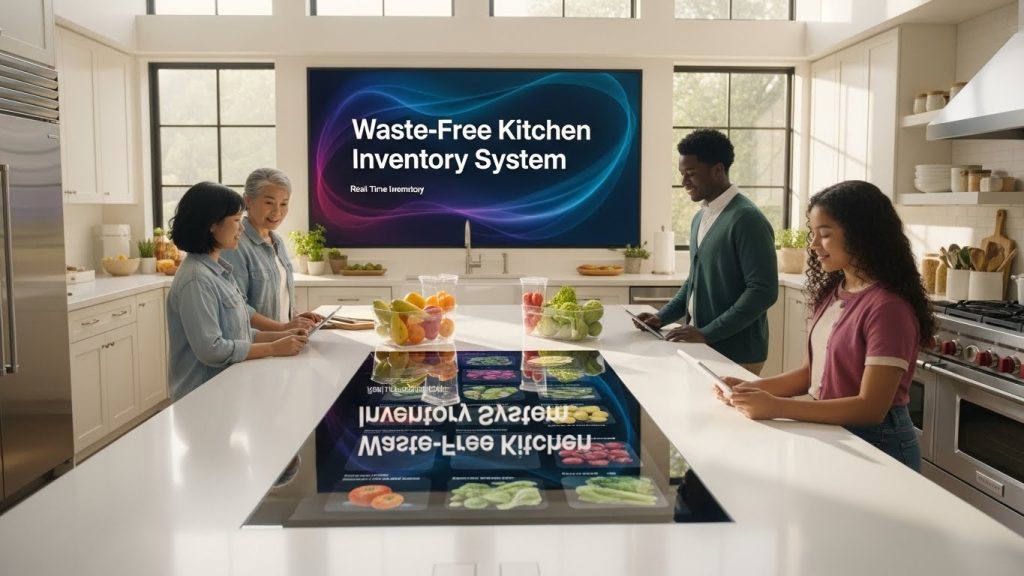
Creating an effective kitchen inventory doesn’t have to be complicated or time-consuming. I’ve found that the simpler the system, the more likely you are to maintain it. What matters most is consistency and finding a method that works with your lifestyle rather than against it. After years of refining my approach and helping friends set up their systems, I’ve narrowed it down to three essential steps that anyone can implement, regardless of kitchen size or cooking habits.
Step 1: Take Stock of What You Already Have
The first weekend I decided to get serious about kitchen inventory management, I blocked off two hours and completely emptied my refrigerator, freezer, and pantry. I was shocked to find three half-empty bottles of the same salad dressing, multiple bags of frozen vegetables buried in the back of the freezer, and pantry staples I’d forgotten I owned. This initial inventory revealed not just what I had but also patterns in my shopping and storing habits that were contributing to waste.
Step 2: Create Categories That Make Sense for Your Kitchen
Organization is personal, and what works for one household might not work for another. When setting up my kitchen inventory system, I found that creating logical categories dramatically increased efficiency. I divided my kitchen into four main zones: refrigerator, freezer, everyday pantry items, and long-term storage. Within each zone, I created subcategories based on how I cook—proteins, vegetables, fruits, grains, and condiments—rather than traditional grocery store categories.
This personalized categorization makes a tremendous difference in maintaining your inventory. For instance, knowing that I have three types of protein in the freezer, five vegetables in the crisper drawer, and an abundance of pasta in the pantry allows me to quickly formulate meal ideas without opening every cabinet and drawer. The key is to create categories that reflect how you think about food and cooking, not how a store organizes its shelves.
Consider also creating a “use first” category in your refrigerator and pantry—a designated spot for items that need to be consumed within the next few days. This simple practice has saved me hundreds of dollars annually by ensuring that nothing gets pushed to the back and forgotten until it’s too late.
Step 3: Choose Your Tracking Method (Digital vs. Physical)
After trying numerous tracking methods over the years, I’ve found that the best system is the one you’ll actually use consistently. Some people thrive with digital apps that send expiration reminders and suggest recipes based on inventory, while others prefer the tangibility of a clipboard hanging on the refrigerator door. I personally use a hybrid approach: a simple spreadsheet for pantry staples and long-term storage items, and a whiteboard on my refrigerator for perishables that need to be used quickly.
For beginners, I recommend starting with a physical list posted where you’ll see it daily. Update it weekly during your regular kitchen clean-out, crossing off what’s been used and adding new purchases. As you become more comfortable with the process, you might explore digital options that offer additional features like barcode scanning, automatic expiration tracking, and recipe suggestions. The important thing is to choose a method that feels like a helpful tool rather than another chore.
A tracking system should serve you, not the other way around. If you find yourself avoiding inventory management because the process is too cumbersome, simplify until it becomes a natural part of your kitchen routine. Five minutes of maintenance each day can save hours of meal planning frustration and hundreds of dollars in wasted food each month.
Digital Tools for Kitchen Inventory Management
Technology has transformed how we manage our kitchens, offering powerful tools that our grandparents could only dream about. When I first started my waste-reduction journey, I tried managing everything with pen and paper. It worked, but it was time-consuming and easy to neglect. Switching to digital tools cut my inventory management time in half while improving accuracy and providing insights into my purchasing patterns.
Modern inventory apps do far more than just list what’s in your kitchen—they can track expiration dates, suggest recipes based on what you have, generate shopping lists, and even help you analyze your spending patterns. After testing dozens of options, I’ve found that the most effective tools strike a balance between comprehensive features and user-friendly interfaces.
Free Apps That Track Food Expiration Dates
The game-changer in my kitchen waste reduction came when I discovered apps specifically designed to track food before it spoils. Apps like NoWaste, Fridgely, and CozZo allow you to quickly catalog items as you put away groceries, scanning barcodes and automatically recording expiration dates. What I love most is the notification feature that alerts me when something is nearing its use-by date, giving me time to incorporate it into my meal plan before it’s too late.
These apps have saved me from countless “surprise spoilage” discoveries that used to send perfectly good food straight to the trash. I particularly appreciate how some apps like Pantry Check categorize items and track usage patterns, automatically adding frequently purchased items to my shopping list when supplies run low. The investment of a few seconds to log items as they enter my kitchen saves both money and the frustration of finding moldy surprises weeks later.
Many of these apps also include recipe suggestion features that analyze your current inventory and propose meals based on what you already have—a fantastic way to use up odd combinations of ingredients that might otherwise go to waste. I’ve discovered some of my family’s favorite meals this way, all while saving money and reducing our environmental footprint.
Smart Refrigerators and Kitchen Tech
For those willing to make a larger investment, smart kitchen technology offers remarkable inventory management capabilities. Modern smart refrigerators can take inventory of their contents through internal cameras, track expiration dates, and even suggest recipes based on what you have on hand. Some models can detect when you’re running low on staples like eggs or milk and add them directly to your shopping list.
While I haven’t personally invested in a smart refrigerator yet, friends who have report significant reductions in food waste and grocery spending. One colleague mentioned saving nearly $200 monthly after switching to a Samsung Family Hub refrigerator that helped her family better manage leftovers and perishable items. The initial investment is substantial, but the long-term savings and convenience can make it worthwhile for many households.
Other smart kitchen gadgets like the Ēdn SmartBar can track your pantry items using weight sensors and QR codes, automatically updating your digital inventory as items are used. These technologies represent the future of kitchen management, where the burden of tracking is handled by our appliances rather than manual entry.
Printable Templates for Old-School Organization
Despite my enthusiasm for digital solutions, I recognize that technology isn’t for everyone. Some of the most organized and waste-free kitchens I’ve seen rely on simple printed templates and good old-fashioned pen and paper. The tangibility of a physical inventory list has distinct advantages: it doesn’t require charging, it’s immediately visible to everyone in the household, and the act of physically writing items down can reinforce memory and awareness of what you have.
I keep a set of printable inventory sheets in a binder near my kitchen for those times when using an app feels like overkill. These templates include sections for the pantry, refrigerator, and freezer, with columns for the item name, quantity, purchase date, and estimated expiration date. Color-coding these sheets (green for fresh items, yellow for those needing to be used soon, and red for priority items) creates a visual system that makes meal planning more intuitive.
For those who prefer physical systems, I recommend creating a weekly ritual of updating your inventory sheets, perhaps Sunday evening before planning the week’s meals. Combine this with a quick kitchen clean-out to identify items that need to be used promptly. This 20-minute investment can save hours during the week and significantly reduce both food waste and grocery spending. For more tips, check out Operandio’s kitchen inventory guide.
The FIFO Method: First In, First Out
The FIFO method—First In, First Out—is the secret weapon of professional kitchens and savvy home cooks alike. When I implemented this simple principle in my own kitchen, my food waste dropped almost immediately by 30%. The concept is brilliantly straightforward: use older items before newer ones. While this might seem obvious, without a system in place, newer purchases often get placed in front of existing items, pushing older food to the back where it’s forgotten until it’s too late.
I discovered the power of FIFO when I noticed I was consistently throwing away yogurt containers that had expired despite buying new ones weekly. By reorganizing my refrigerator to place new purchases behind existing ones, I ensured we consumed everything before it spoiled. This principle applies to everything from fresh produce to frozen meals to pantry staples like cereals and spices.
How to Organize Your Refrigerator for Maximum Efficiency
Your refrigerator layout can make or break your waste-reduction efforts. After experimenting with different arrangements, I found that designating specific zones dramatically improved visibility and reduced forgotten items. The top shelf is perfect for leftovers and prepared foods that need to be consumed quickly. The middle shelves work well for dairy, eggs, and beverages, while crisper drawers should be used for fruits and vegetables with humidity controls adjusted appropriately (higher for leafy greens, lower for fruits and vegetables that rot quickly).
I use clear storage containers to further improve visibility and stack-ability. Being able to see exactly what leftovers are available without opening multiple containers has saved countless meals from being forgotten. Additionally, I keep a small whiteboard on the refrigerator door listing perishable items and their “use-by” dates, creating accountability and awareness for everyone in the household.
One game-changing habit I’ve adopted is the weekly “refrigerator reset”—15 minutes every Sunday to assess what needs to be used immediately, what can be frozen for later, and what should be incorporated into the upcoming week’s meals. This simple practice prevents the all-too-common scenario of finding moldy surprises hidden in the back corners.
Pantry Organization That Prevents Forgotten Items
Pantry waste often occurs more slowly than refrigerator waste, but it can be just as costly. How many times have you purchased a spice or specialty ingredient only to discover you already had one hiding in the back of your cabinet? I solved this problem by creating a tiered organization system using expandable shelf organizers and lazy Susans that ensure everything is visible and accessible.
Category grouping is essential for an effective pantry system. I organize items by type (grains, canned goods, baking supplies) and then by expiration date within each category. For staples that I purchase regularly, I use the “backstock” method—keeping a small amount in an easily accessible container for daily use, with the remainder stored in proper rotation following FIFO principles.
Clear containers with labels have transformed my pantry management. Transferring items like pasta, rice, and cereal into transparent storage not only extends their freshness but also provides immediate visual inventory. The investment in quality containers pays for itself many times over in reduced waste and fewer duplicate purchases. I write purchase dates on tape applied to the bottom of each container, ensuring older products get used first even when transferring contents from original packaging. For more efficient kitchen management, consider using a kitchen inventory system.
Smart Storage Containers That Help Track Freshness
Technology has entered the food storage space in remarkable ways. I’ve tested several smart container systems that track freshness and remind you when items need to be used. Products like Ovie Smarterware use tags that change color to indicate freshness levels, while Silo vacuum-sealed containers remove air to extend the life of dry goods and produce. These innovations, while initially more expensive than traditional storage options, can pay for themselves quickly by dramatically reducing waste.
For those not ready to invest in smart containers, vacuum sealers represent a middle ground that significantly extends the shelf life of both refrigerated and pantry items. I use mine weekly to preserve everything from cheese blocks to bulk nuts and grains. The ability to portion and properly store bulk purchases has allowed me to take advantage of sales without worrying about waste, often cutting my per-unit costs by 30-40%.
Weekly Meal Planning Based on Your Inventory
Effective meal planning is where your inventory system truly pays dividends. Rather than starting with recipes and then shopping for ingredients (which often leads to waste and unused purchases), I flip the script by starting with what’s already in my kitchen. Each weekend, I review my inventory and build meals around items that need to be used soon, particularly perishables that won’t last another week.
This inventory-first approach transformed my grocery spending, cutting our monthly food budget by nearly $300 while actually improving the variety and quality of our meals. It also eliminated those frustrating weeknight moments of staring into a full refrigerator yet feeling like there’s “nothing to eat”—because we now have a plan for every item we purchase.
How to Create “Use-It-Up” Meals
Some of my family’s favorite meals have come from what I call “inventory challenges”—getting creative with whatever needs to be used up. Vegetables starting to wilt become stir-fries or soups. Bread that’s slightly stale transforms into French toast, croutons, or breadcrumbs. Fruits past their prime go into smoothies or quick compotes for topping yogurt or ice cream. These “kitchen sink” meals have taught me to be more adaptable and creative in my cooking while preventing perfectly good food from going to waste.
I dedicate at least two meals each week to specifically using up odds and ends that might otherwise be forgotten. These meals follow flexible formats rather than specific recipes—frittatas, grain bowls, pasta dishes, and sheet pan meals can all incorporate a wide variety of ingredients in different combinations. Learning to cook this way, with what you have rather than what a recipe dictates, is perhaps the most valuable skill in maintaining a waste-free kitchen.
For those new to this approach, theme nights can provide helpful structure while still allowing flexibility. Stir-Friday uses up vegetables in a quick stir-fry. Soup Sunday transforms odds and ends into comforting bowls. Taco Tuesday can incorporate virtually any protein and vegetable combination. Having these frameworks makes adapting to your current inventory much less daunting.
Building Shopping Lists From What You Already Have
My shopping lists now start with a thorough inventory check rather than meal planning from scratch. I identify what we already have in abundance and what’s missing to complete potential meals. This prevents the common pitfall of having pantries full of random ingredients but nothing that works together to make complete dishes. I keep a running “complementary ingredients” list—items that would pair well with what’s currently in my inventory to create complete meals.
This inventory-based shopping method has also made me more strategic about sales and bulk purchases. Instead of buying something simply because it’s discounted, I consider how it complements my existing inventory and whether I have the necessary companion ingredients to use it effectively. This approach prevents the false economy of “saving money” on sale items that ultimately go to waste because they don’t fit into your actual eating patterns.
Another practice that has saved us hundreds of dollars annually is the “shop your kitchen first” challenge. Before heading to the store, I challenge myself to create at least two meals exclusively from what we already have, even if they weren’t originally on my meal plan. This regularly delays our grocery shopping by a day or two, adding up to significant savings over time while ensuring maximum use of our existing inventory.
Batch Cooking Strategies That Reduce Waste
Strategic batch cooking has become a cornerstone of my waste-free kitchen system. Rather than making just enough for one meal, I prepare larger quantities of base ingredients that can be repurposed throughout the week. For example, roasting a large batch of vegetables on Sunday might provide side dishes for Monday, salad toppings for Tuesday, and pasta additions for Wednesday. This approach saves time, energy, and reduces the risk of ingredients spoiling before they can be used.
I’ve found that batch cooking works best when focused on components rather than complete meals, offering flexibility to create different flavor profiles throughout the week. Cook a large batch of chicken, portion it out, and use it in different cuisines—Italian with pasta on Monday, Mexican in tacos on Tuesday, Asian in a stir-fry on Wednesday. This variety prevents meal fatigue while efficiently using ingredients in your inventory.
Freezing portions of batch-cooked items has created what I call my “homemade convenience food” system. When life gets hectic, instead of ordering takeout, we can pull together quick meals from our frozen components. This has reduced our restaurant spending by nearly 50% while ensuring we actually use everything we cook before it spoils.
Smart Shopping Habits That Support Your Inventory System
Even the best inventory system can’t overcome poor shopping habits. After analyzing my grocery spending patterns, I realized that unplanned shopping trips were sabotaging my budget and leading to waste. Now I shop with purpose, armed with my inventory-based list and a clear meal plan. This intentional approach has reduced our grocery spending by 25% while actually increasing the quality and variety of what we eat.
The habits you establish before entering the store are just as important as what you do inside. I never shop hungry—a lesson learned after numerous impulse purchases that didn’t align with our meal plans or existing inventory. I also take photos of my refrigerator and pantry before leaving for the store, providing a quick reference to prevent duplicate purchases and remind me of what needs to be complemented with new ingredients.
The “Shop Your Kitchen First” Rule
Before adding any item to my shopping list, I check if I already have it or an acceptable substitute in my inventory. This simple rule has prevented countless duplicate purchases and forced me to be more creative with what I already have. When I first implemented this approach, I discovered we could often delay grocery shopping by several days simply by using what was already in our kitchen more effectively.
I’ve turned “shopping my kitchen” into a weekly challenge for the entire family. Each Sunday, we look at what needs to be used up and brainstorm meals around those ingredients. These meals take priority in our weekly plan, ensuring nothing goes to waste while often creating unexpected combinations that become new favorites. This practice alone reduced our food waste by nearly 40% in the first month.
Another aspect of shopping your kitchen first is regularly auditing your long-term storage areas like the freezer and pantry. I schedule quarterly “inventory challenges” where we commit to not purchasing any new staples until we’ve substantially reduced our existing stock. These periods not only prevent waste but often lead to creative meal combinations and remind us of forgotten favorites.
Quantity Control: Buying Only What You Need
One of the biggest mindset shifts in maintaining a waste-free kitchen is resisting bulk purchases unless you have specific plans for using the larger quantity. I’ve learned to calculate the true cost per unit used (not just purchased) when evaluating deals. That five-pound bag of carrots might be cheaper per pound, but if you throw away half of it, you’ve actually spent more than buying the smaller quantity you would have fully used.
For perishable items, I now practice “just-in-time” purchasing—buying only what we’ll realistically consume before our next shopping trip. This sometimes means more frequent shopping but results in fresher ingredients and significantly less waste. For households with limited storage, this approach also prevents overcrowding that can lead to forgotten items pushed to the back of the refrigerator.
Bulk bins have become my solution for quantity control with dry goods and spices. Instead of purchasing a full container when a recipe calls for a small amount of an ingredient I rarely use, I buy exactly what I need. This approach has dramatically reduced both waste and cluttered storage while allowing us to experiment with a wider variety of ingredients.
Seasonal Purchasing for Better Value and Freshness
Aligning your purchasing with the natural growing seasons transforms both your budget and the quality of your meals. I’ve trained myself to be flexible with meal planning, focusing first on what’s seasonally abundant and therefore typically less expensive and at peak flavor. Summer tomatoes and winter squash taste better and cost less when purchased in season, and they require fewer resources to grow and transport, reducing their environmental footprint as well.
I maintain a simple seasonal food chart on my refrigerator as a reference when planning meals and making shopping lists. This visual reminder helps me take advantage of seasonal abundances and avoid overpaying for out-of-season items. When something is at its peak season and price, I may purchase extra for preserving—freezing summer berries or canning tomatoes—but only after ensuring I have the time and storage space to process them properly.
Farmers markets and CSA (Community Supported Agriculture) subscriptions have become key components of my seasonal purchasing strategy. These sources not only provide fresher produce with longer shelf lives (reducing waste) but also introduce variety and new ingredients that prevent meal planning boredom. The direct relationship with growers has improved my understanding of seasonality and storage techniques specific to different varieties of produce.
Preserving Food to Extend Its Life
Learning basic food preservation methods has been transformative in my waste reduction journey. What started as a way to save a few dollars has become a fascinating hobby that connects me to culinary traditions while dramatically extending the useful life of seasonal abundance. Rather than letting excess produce spoil, I now have the skills to transform it into future meals and ingredients, creating what I call my “personal grocery store” of preserved foods.
Freezing Guidelines for Different Food Types
Proper freezing techniques have saved me hundreds of dollars annually by preventing waste and allowing me to take advantage of seasonal abundance and sales. I’ve learned that blanching vegetables before freezing preserves their color, texture, and nutrients. This quick process—boiling vegetables briefly then plunging them into ice water before freezing—inactivates enzymes that would otherwise lead to quality deterioration during storage.
Different foods require different freezing approaches. Berries and individual items like meatballs freeze best in a single layer on a sheet pan before being transferred to storage containers, preventing them from sticking together. Liquids like broths and sauces should be frozen with headspace to allow for expansion. Wrapping items properly is crucial—I use freezer paper for meats, vacuum sealing for longer-term storage, and heavy-duty freezer bags with the air pressed out for most other items.
My freezer inventory system uses clear containers with labels indicating contents and freeze date. I maintain a running list on the freezer door that gets updated whenever items are added or removed. This visibility ensures nothing gets lost in the depths of the freezer, and we can quickly identify what needs to be used. I’ve found most frozen items maintain optimal quality for 3-6 months, though many remain safe to eat much longer.
Canning and Pickling Basics
Canning intimidated me initially, but after learning the fundamentals of water bath canning for high-acid foods like pickles, jams, and tomato sauces, I’ve found it to be straightforward and rewarding. The initial investment in equipment—a large pot, jar lifter, funnel, and canning jars—paid for itself within a season through preserved garden surplus and strategic purchases of seasonal abundance. My homemade pickles and jams now cost a fraction of store-bought equivalents while tasting significantly better.
Safety is paramount in canning, so I always follow tested recipes from reliable sources like the National Center for Home Food Preservation rather than improvising. Proper acidification of foods, correct processing times, and checking for seals are non-negotiable practices that ensure preserved foods remain safe. I track what I’ve canned each season and how quickly we use it, allowing me to refine quantities for the following year and prevent waste.
Quick refrigerator pickles have become my favorite way to preserve small amounts of vegetables that might otherwise go unused. Unlike traditional canning, these quick pickles don’t require special equipment or processing—just vinegar, salt, spices, and refrigeration. They extend the life of vegetables from days to weeks and add bright, complex flavors to meals. A jar of quick-pickled red onions, carrots, or cucumbers can transform simple meals and incentivize using up other ingredients in creative ways.
Dehydrating Excess Produce
Dehydrating has become my preferred preservation method for many foods due to its simplicity and the minimal storage space required for the finished products. While I started with a basic food dehydrator, I’ve found that even an oven set to its lowest temperature with the door slightly ajar works effectively for many items. Dried fruits make perfect snacks and baking additions, while dried vegetables rehydrate well in soups and stews or can be ground into flavor-packed powders for seasoning.
The key to successful dehydrating is consistent thickness of food pieces to ensure even drying. I use a mandoline for uniform slices and carefully monitor the process, as over-dried foods become too brittle while under-dried items can mold during storage. Properly dried foods should be completely dry to the touch but still somewhat pliable. I store them in airtight glass jars with moisture-absorbing silica gel packets and check periodically for any signs of moisture, which would indicate they need further drying or immediate use.
How Our Family Cut Food Waste by 75% and Saved $2,400 Annually
Our waste-free kitchen journey began three years ago after a particularly shocking cleaning of our refrigerator where we discarded nearly $50 worth of spoiled food in a single afternoon. That moment of clarity led us to implement the inventory system and practices I’ve shared throughout this article. The results have been nothing short of transformative—not just financially but in how we approach food, cooking, and consumption. Our annual grocery spending dropped from approximately $12,000 to $9,600 for our family of four, while the quality and variety of our meals actually improved. The savings came almost entirely from reduced waste, more strategic purchasing, and better utilization of what we already had.
Frequently Asked Questions About A Waste-free Kitchen Inventory System
Throughout my journey to a waste-free kitchen, I’ve received countless questions from friends and family intrigued by the money we’ve saved and the systems we’ve created. Here are the most common questions people ask when beginning their own inventory management journey.
How much time does it take to maintain a kitchen inventory system?
After the initial setup, which took me about 2-3 hours, maintaining my kitchen inventory system requires just 15-20 minutes per week. I spend about 5 minutes after each grocery trip adding new items to the system, 5-10 minutes during my Sunday kitchen reset reviewing what needs to be used soon, and occasional spot checks when meal planning. The time investment is minimal compared to the hours saved in meal planning, reduced grocery trips, and eliminated food waste. Remember that your system should work for you—start simple and add complexity only if it adds value to your specific situation.
What are the best containers for organizing pantry items?
After experimenting with numerous options, I’ve found that square or rectangular glass containers with airtight lids provide the best combination of visibility, freshness preservation, and efficient space utilization. Brands like OXO Good Grips POP Containers and Anchor Hocking glass storage work particularly well for my needs. For items purchased in bulk, I use larger containers, while smaller quantities go in appropriately sized jars to minimize air exposure. The initial investment in quality containers pays for itself quickly through extended food freshness and reduced waste. If budget is a concern, repurposed glass jars with tight-fitting lids work excellently for many dry goods.
Can a kitchen inventory system work for large families?
Absolutely—in fact, larger households often see even greater benefits from proper inventory management due to the higher volume of food being purchased and consumed. The key for larger families is creating clear systems that everyone can understand and participate in. Color-coded zones in the refrigerator, a centrally located inventory list, and regular family meetings to plan meals make the system accessible to everyone. I know several large families who have assigned inventory management roles to older children as part of their household responsibilities, teaching valuable life skills while maintaining the system. Digital tools that sync across multiple devices can be particularly helpful for families where several people shop and cook.
How do I handle bulk purchases in my inventory system?
Bulk purchases require special attention in your inventory system to ensure they don’t become sources of waste. When I buy in bulk, I immediately divide the purchase into usage-sized portions. Meats go into meal-sized packages before freezing, with clear labels indicating contents and date. For pantry staples like rice or flour, I keep a working container in my main pantry while storing the remainder in airtight containers in secondary storage. I track both quantities in my inventory system, refilling the working container as needed. The most important rule for bulk buying is to be honest about your actual consumption patterns—a great deal isn’t saving money if half of it ends up wasted.
What’s the easiest way to track expiration dates?
For digital tracking, apps like FreshPantry and NoWaste allow you to scan barcodes and automatically record expiration dates, sending notifications as items approach their use-by date. For analog systems, I use a simple whiteboard on my refrigerator with three columns: “Use This Week,” “Use Next Week,” and “Use This Month.” Items are listed with their expiration dates, creating a visual priority system for meal planning. For pantry items with longer shelf lives, I use removable labels showing purchase date and expected shelf life rather than just the manufacturer’s date, which is often unnecessarily conservative. This system ensures we use items based on actual freshness rather than arbitrary dates.
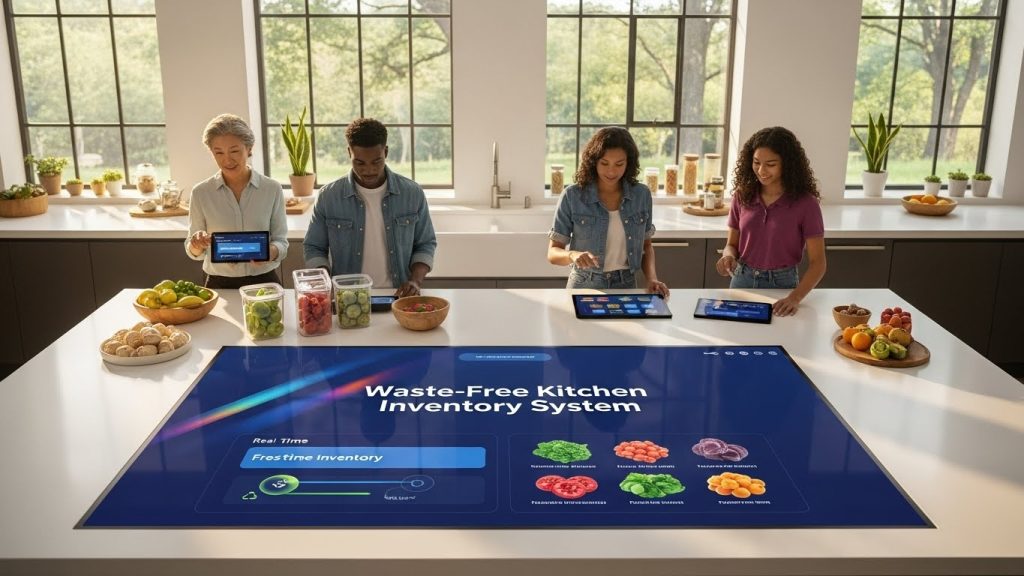
Implementing a waste-free kitchen inventory system is one of the most accessible ways to improve your financial situation while also reducing your environmental impact. Unlike many money-saving strategies that require significant lifestyle changes or upfront investments, this approach delivers immediate returns through reduced waste and more efficient shopping. Start small, be consistent, and watch as your grocery bills shrink while your meal quality improves.