Saving Money Without Sacrificing Joy – Here’s How
Many of us struggle with saving because we approach it as an all-or-nothing game. We believe the path to financial security must be paved with sacrifice and bland ramen dinners. The good news? Financial planning experts have discovered that sustainable saving actually comes from finding joy in the process, not from punishment. Saving money without sacrificing joy, calls for a determined focus on automating savings and making intentional spending choices, such as allocating specific amounts for “wants” and “fun money”, rather than a complete ban on these activities.
Key Takeaways On Saving Money
- Saving money and enjoying life aren’t mutually exclusive—value-based spending helps you prioritize what truly brings you joy while cutting costs elsewhere.
- Automating your savings before you see the money creates a painless path to financial security without daily willpower battles.
- The 24-hour purchase rule can eliminate 70% of impulse buys while still allowing for meaningful purchases that enhance your life.
- Creative alternatives to expensive habits—like strategic meal planning and social experience hacks—can cut costs by 40-60% without sacrificing quality of life.
- Creating a dedicated “joy budget” ensures you never feel deprived while building financial security for your future.
Finding the sweet spot between saving money and living a fulfilling life isn’t about deprivation—it’s about intention. The most successful savers don’t live miserably; they simply make smarter choices about where their money goes. With strategic planning, you can build wealth while still enjoying the experiences that matter most to you.
Why Most People Fail at Saving (And How You’ll Succeed)
Most saving attempts fail for one simple reason: they feel like punishment. When you cut everything enjoyable from your life, you’re setting yourself up for the financial equivalent of a crash diet. Eventually, willpower depletes and you find yourself on a spending binge that undoes all your progress.
The most successful savers take a different approach. They identify their core values and align spending with what truly matters while eliminating expenses that don’t add genuine joy. This creates a sustainable financial lifestyle that doesn’t constantly feel like deprivation.
Research shows that people who find ways to enjoy the saving process are 3.2 times more likely to reach their financial goals than those who view saving as pure sacrifice. The key difference? Happy savers don’t just focus on the distant future—they create systems that make day-to-day life pleasant while building wealth.
“The most powerful approach to saving money isn’t about sacrifice—it’s about replacement. Replace expensive habits with equally satisfying alternatives, and you’ll build wealth without feeling deprived. Financial security and daily joy aren’t enemies; they’re partners in a well-designed life.” — Howard Dvorkin, Financial Counselor
Smart Money Habits That Feel Good, Not Painful
The path to financial freedom doesn’t require misery. By implementing these simple but powerful habits, you’ll find yourself saving more without that constant feeling of sacrifice. These strategies work because they align with human psychology rather than fighting against it.
Value-Based Spending: Keep What Matters Most
The first step to happy saving isn’t cutting expenses—it’s clarifying what truly brings you joy. Take 15 minutes to list what you’ve spent money on in the past month that genuinely enhanced your life, versus what left you feeling empty. Coffee with close friends might be worth every penny, while impulse clothing purchases might leave you unsatisfied. This clarity allows you to cut spending in areas that don’t matter while protecting the expenses that bring genuine fulfillment.
The 24-Hour Purchase Rule
For non-essential purchases over $50, institute a simple waiting period of 24 hours before buying. This tiny buffer creates space between impulse and action, allowing your rational mind to evaluate whether the purchase aligns with your values. Studies show this single habit can eliminate approximately 70% of impulse purchases without making you feel deprived. The items that survive the waiting period are usually those that will truly enhance your life—making them worth every penny.
Replace, Don’t Eliminate Your Pleasures
Instead of cutting out everything you enjoy, find creative alternatives that deliver similar satisfaction at lower costs. Love your premium gym membership? Look for community recreation centers offering comparable facilities at a fraction of the price. Addicted to your daily $6 latte? Invest in quality equipment and ingredients to make barista-level drinks at home for under $1 each. This replacement strategy maintains life quality while dramatically reducing expenses.
The key is to identify the core experience that brings you joy. Often it’s not the expensive packaging but the underlying experience—like the ritual of morning coffee, not necessarily the branded cup. By focusing on the essence of what makes you happy, you can recreate these experiences at a fraction of the cost.
Psychologically, this approach works because you’re not saying “no” to pleasure—you’re saying “yes” to smarter pleasure. This small reframing makes sustainable saving possible without constant feelings of deprivation.
Automate Your Savings Before You See the Money
The most painless way to save is to make it invisible. Set up automatic transfers to your savings account the day after your paycheck arrives. When money moves before you see it, you adapt your lifestyle to what’s available rather than constantly fighting the temptation to spend. This “pay yourself first” approach removes the psychological burden of daily saving decisions.
Research shows that automatic savers accumulate 3-5 times more wealth over time than those who save manually. The difference isn’t willpower—it’s system design. By creating a system that works automatically, you’re leveraging behavioral psychology to build wealth with minimal effort.
Start small with just 5-10% of your income if you’re new to this approach. As you adjust to your new normal, gradually increase the percentage. Many successful savers eventually reach 20-30% without feeling any sense of sacrifice.
Use Cash for Fun Money to Make It Last Longer
Despite the convenience of digital payments, studies consistently show that people spend 12-18% less when using physical cash. The psychological “pain” of handing over real money creates natural spending restraint. Set a weekly fun money budget and withdraw it in cash at the beginning of each week. This creates a clear visual boundary for discretionary spending without constantly checking your balance or feeling guilty.
This cash envelope system has helped countless people regain control of their finances while still enjoying life. The physical limitation helps you prioritize what truly matters and eliminates mindless spending that doesn’t actually enhance your well-being.
For maximum effectiveness, create separate envelopes for different categories of fun spending: dining out, entertainment, shopping, etc. This prevents one category from cannibalizing your entire discretionary budget.
Cut Costs on Essentials to Fund What You Love
The largest opportunities for painless saving often lie in your essential expenses. By strategically reducing costs in these big categories, you free up substantial funds for the experiences that truly bring you joy. Think of it as redirecting money from areas you don’t care about to those you do.
Slash Your Food Budget Without Eating Ramen
Food spending represents one of the largest discretionary expenses for most households, but cutting back doesn’t mean bland meals or constant sacrifice. Strategic meal planning around sales can reduce grocery bills by 25-30% while maintaining variety and quality. Batch cooking on weekends creates convenient homemade “fast food” that prevents expensive takeout orders on busy nights.
Perhaps most importantly, learning to cook 5-7 signature dishes exceptionally well gives you restaurant-quality experiences at home. When you can make pasta carbonara that rivals your favorite Italian restaurant, dining out becomes a choice rather than a necessity.
Reducing food waste through proper storage and creative leftover transformations can save the average household over $1,500 annually. That’s money you can redirect toward experiences that bring genuine joy rather than watching it rot in your refrigerator.
“I was spending over $1,200 monthly on groceries and takeout for my family of four. By implementing meal planning, strategic shopping, and learning to cook our restaurant favorites at home, we cut that to $650 without feeling deprived. The $550 monthly savings goes straight to our vacation fund, meaning our eating habits literally fund our adventures.” — Maria L., Financial Freedom Blogger
Lower Housing Costs Without Downgrading Your Life
Housing typically consumes 30-40% of the average budget, making it the largest expense category and the biggest opportunity for meaningful savings. If you’re renting, consider negotiating your next renewal. Many landlords will accept below-market increases to keep good tenants rather than risk vacancy. For homeowners, refinancing when rates drop can save hundreds monthly without any lifestyle change.
Getting a roommate isn’t just for college students. Many professionals find that sharing space with a compatible housemate cuts housing costs dramatically while actually enhancing their social life. House hacking—renting out a spare room or portion of your home—can transform your largest expense into a potential income source.
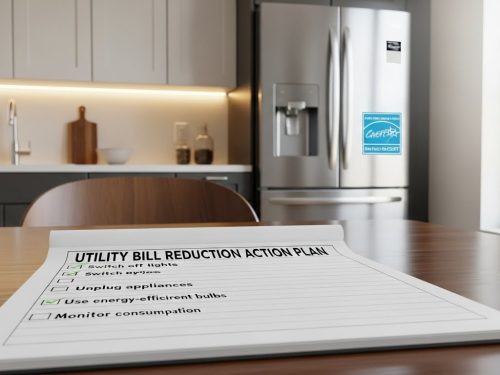
Energy efficiency improvements like programmable thermostats, LED lighting, and weatherstripping can reduce utility bills by 10-30%. These one-time investments continue paying dividends month after month without requiring ongoing sacrifice.
For those open to more significant changes, relocating to a neighborhood just 10-15 minutes farther from prime areas often reduces housing costs by 15-25% while maintaining access to the same amenities. This single decision can free up thousands annually to fund experiences that truly matter to you.
| Housing Strategy | Potential Monthly Savings | Lifestyle Impact |
|---|---|---|
| Negotiating rent increase | $50-$150 | None |
| Refinancing mortgage | $100-$300 | None |
| Energy efficiency improvements | $40-$120 | None |
| Compatible roommate | $400-$1,000 | Shared spaces |
| Relocating 10-15 min further | $200-$600 | Slightly longer commute |
Reduce Transportation Expenses Without Sacrificing Convenience
Transportation costs silently drain many budgets without delivering proportional joy. The average car owner spends over $9,000 annually on their vehicle when accounting for payments, insurance, maintenance, and fuel. Reducing these costs creates substantial financial freedom without impacting quality of life. Consider carpooling with colleagues just 2-3 days weekly to immediately slash fuel costs by 40-60% while gaining valuable networking time.
For urban dwellers, combining public transit with occasional rideshares often costs 70-80% less than car ownership while eliminating parking hassles and maintenance headaches. Many find this hybrid approach actually enhances their quality of life rather than diminishing it. If you must own a vehicle, consider models known for reliability and fuel efficiency rather than status. The difference between a luxury vehicle and a high-quality mainstream model can fund an entire international vacation annually.
Strategic maintenance like regular oil changes, proper tire inflation, and addressing minor issues before they become major repairs can extend vehicle lifespan while reducing ownership costs by thousands over time. This approach provides transportation reliability without unnecessary expense, freeing up resources for experiences that create lasting memories.
Free and Low-Cost Alternatives to Expensive Habits
Many expensive habits can be replaced with alternatives that provide equal or greater satisfaction at a fraction of the cost. These creative substitutions maintain life quality while dramatically accelerating your financial progress. The key is finding replacements that target the same core emotional needs without the premium price tag.
1. Turn Coffee Shops Into Social Experiences
If coffee shops are your second home, consider reimagining how you use them. Instead of daily $5 lattes consumed alone, transform your coffee shop visits into meaningful social connections once or twice weekly. The average daily coffee shop visitor spends over $1,800 annually, while someone who makes coffee at home and uses shops for deliberate social experiences might spend just $400-600. You’re still enjoying the atmosphere and ritual, but with purpose rather than habit.
2. Create Restaurant-Quality Meals at Home
The restaurant markup on food averages 300%, meaning your $30 entree contains about $10 worth of ingredients. By mastering a few signature dishes and investing in quality ingredients, you can create memorable dining experiences at home for a fraction of restaurant prices. Host rotating dinner clubs with friends where each person takes turns creating a themed meal. This approach maintains the social aspect of dining out while dramatically reducing costs.
For special occasions, consider lunch instead of dinner at upscale restaurants. Many offer nearly identical menus at 30-40% lower prices during midday hours. This strategy allows you to experience fine dining without the premium dinner pricing. For more ways to save, check out these tips on saving money without sacrificing what you love.
3. Master the Art of Free Entertainment
Most communities offer extensive free entertainment options that go undiscovered by residents. Museums often have free admission days, parks host concerts and cultural events, and libraries provide not just books but classes, workshops, and community gatherings. Creating a “free fun calendar” at the beginning of each month ensures you’re aware of these opportunities before making paid entertainment choices.
Subscription services quietly drain budgets without delivering proportional value. Audit your subscriptions quarterly and rotate streaming services rather than maintaining multiple simultaneously. Many find that having access to 1-2 services at a time provides more than enough content, while saving $20-50 monthly over maintaining numerous subscriptions.
4. Travel Smarter, Not Less Often
Travel brings some of life’s most meaningful experiences, but it doesn’t require premium pricing. Embracing shoulder season travel—the periods just before or after peak seasons—can reduce costs by 30-40% while actually improving your experience through smaller crowds. Many destinations shine brightest outside their most popular months, offering authentic local experiences without the tourist premiums.
Home exchanges, house sitting, and accommodation sharing create nearly-free housing options in desirable locations worldwide. These approaches not only save money but often provide more authentic, spacious living arrangements than hotels. Slow travel—spending more time in fewer locations—reduces transportation costs while creating deeper connections with destinations. This approach transforms travel from a rushed checklist to a meaningful cultural immersion.
- Use flight price tracking tools to book when fares drop
- Explore local cuisine at markets rather than tourist restaurants
- Consider group tours for expensive destinations to share costs
- Leverage credit card points for significant travel discounts
- Pack light to avoid baggage fees and transportation hassles
The Joy of Intentional Spending
The happiest savers aren’t those who spend the least—they’re those who spend with the greatest intention. Intentional spending means aligning your financial choices with your deepest values rather than responding to external pressures or momentary impulses. This approach transforms saving from deprivation into empowerment.
Create Your “Joy Budget”
A joy budget explicitly allocates funds for experiences and items that bring genuine happiness. Start by identifying your non-negotiable joys—the experiences that consistently make life worth living. For some, this might be weekly dinners with friends, fitness classes, or travel adventures. For others, it could be concert tickets, quality ingredients for home cooking, or continuing education in a beloved hobby.
Allocate 5-15% of your income specifically to these joy categories, separate from essential expenses and long-term saving goals. This approach ensures that financial responsibility never means complete deprivation. When joy spending has its dedicated place in your financial plan, you can indulge without guilt while still progressing toward your larger goals.
Schedule Money Dates With Yourself
Set a recurring 20-minute appointment to review your spending, celebrate wins, and adjust course as needed. These brief check-ins prevent financial avoidance while keeping your plan aligned with evolving priorities. The most successful savers make these sessions positive rather than punitive—focusing on progress and adjustments rather than dwelling on mistakes.
During these money dates, ask yourself: “Did my spending this week align with my values? Did my purchases bring genuine joy or just momentary distraction? What adjustments would make next week’s spending more intentional?” This reflective practice builds the mindfulness muscle that transforms saving from sacrifice into a form of self-care.
How to Handle Social Pressure Without Breaking Your Budget
Social influence drives many spending decisions, often pushing us toward choices that don’t align with our true priorities. Learning to navigate these pressures with confidence allows you to maintain meaningful relationships without compromising financial wellbeing.
Set Expectations With Friends Early
Transparent communication prevents awkward situations and helps friends understand your priorities. Rather than making excuses for declining expensive outings, simply explain that you’re being intentional with your spending to achieve specific goals. Most true friends respect financial boundaries when clearly communicated, and many will appreciate the permission to express their own financial limitations.
Be the Planner and Suggest Affordable Options
Taking initiative in social planning gives you control over the price point without sacrificing connection. Suggest hiking adventures, community events, home-hosted dinner parties, or happy hour specials instead of waiting for others to propose costly outings. Being the one who researches and suggests activities positions you as the thoughtful planner rather than the friend who always says “no.”
Creative social alternatives often create more meaningful connections than expensive defaults. Cooking classes at someone’s home, outdoor adventures, or skill-sharing gatherings typically generate more memorable experiences than passive consumption activities like dining at expensive restaurants.
When special occasions require higher spending, plan ahead by setting aside small amounts weekly rather than draining your regular budget. This approach allows participation in important celebrations without disrupting your financial progress.
- Host potluck dinners instead of restaurant outings
- Suggest coffee or walks instead of shopping trips
- Create free or low-cost traditions like game nights or seasonal activities
- Find free community events through local websites and newsletters
- Exchange skills with friends instead of services (cooking lessons, home repairs, etc.)
Learn to Say No Without FOMO
The fear of missing out drives many unnecessary expenses, but the most fulfilled people recognize that selectivity enhances rather than diminishes life quality. Practice politely declining invitations that don’t align with your priorities while expressing appreciation for the inclusion. Simple phrases like “I’m focusing on other priorities right now, but I’d love to catch up soon over coffee” maintain connections without compromise. Remember that saying no to expenses that don’t serve your goals means saying yes to financial freedom and future opportunities that truly matter.
Your Money Freedom Plan Starts Today
Financial freedom isn’t about accumulating the largest possible nest egg—it’s about creating a life where money serves your deepest values rather than controlling your choices. By implementing these strategies incrementally, you’ll build wealth while maintaining and even enhancing your quality of life. Start with just one or two approaches that resonate most strongly, then gradually expand as you experience the benefits of intentional financial living.
The path to financial freedom becomes sustainable when you focus on the joy of intentional choices rather than the pain of restriction. By directing your resources toward what truly matters while eliminating expenses that don’t serve your authentic happiness, you create both present satisfaction and future security. This balanced approach ensures that saving money becomes a source of empowerment rather than deprivation, transforming your financial journey from burden to opportunity.
Frequently Asked Questions On Saving Money
As you implement these strategies, you may encounter challenges and questions. Here are straightforward answers to the most common concerns about saving money while maintaining life quality.
How much should I save each month while still enjoying life?
Financial experts typically recommend saving 15-20% of your income, but the right percentage depends on your personal goals and current situation. Rather than focusing exclusively on percentage, consider the “50/30/20 rule” as a starting framework: allocate 50% to necessities, 30% to wants, and 20% to savings and debt repayment. If you’re new to saving, start with just 5-10% and gradually increase as you optimize your spending. The sustainable amount is one that allows progress toward your goals without creating a sense of constant deprivation.
What if I have high-interest debt? Should I still spend on enjoyment?
When facing high-interest debt (particularly credit cards charging 15%+ interest), prioritize aggressive debt repayment while maintaining a modest “joy budget.” Allocate 70-80% of your discretionary funds to debt elimination and 20-30% to carefully selected enjoyment that preserves mental health and motivation. This balanced approach prevents burnout while still making meaningful financial progress. Once high-interest debt is eliminated, redirect those payments to building savings while gradually expanding your joy budget.
How do I resist impulse purchases without feeling deprived?
Impulse spending often stems from emotional triggers rather than genuine need or value alignment. Implement the 24-hour rule for non-essential purchases, giving yourself time to evaluate whether the item truly aligns with your priorities. Create a dedicated “splurge fund” where a small percentage of income is specifically allocated for spontaneous purchases—this provides freedom within boundaries.
- Identify your spending triggers (boredom, stress, social media) and develop non-spending responses
- Unsubscribe from retail emails and unfollow brands on social media
- Practice gratitude for what you already own before considering new purchases
- Ask yourself: “Will this purchase still bring joy a month from now?”
- Consider the opportunity cost—what else could this money fund?
For unavoidable shopping trips, bring a specific list and commit to purchasing only those items. Shopping with cash rather than cards creates a natural spending boundary that helps maintain discipline without requiring constant willpower.
Remember that the goal isn’t to never enjoy spontaneous purchases, but to ensure they reflect your true values rather than momentary impulses. When impulse buys are conscious choices rather than unconscious reactions, they often bring genuine and lasting satisfaction.
Can I really save money on fixed expenses like rent and utilities?
Fixed expenses offer some of the largest saving opportunities precisely because they represent such significant portions of most budgets. For housing, consider less expensive neighborhoods, finding compatible roommates, negotiating rent, or house hacking by renting out a portion of your space. Even a $200 monthly housing reduction generates $2,400 annual savings—enough to fund significant life experiences or accelerate other financial goals.
For utilities, simple changes like programmable thermostats, LED lighting, water-saving fixtures, and strategic use of natural temperature regulation can reduce costs by 10-30% without lifestyle impact. Many utility companies offer free energy audits that identify specific saving opportunities for your home. Service providers for internet, phone, and insurance typically offer better rates when directly asked—simply calling to negotiate can reduce these expenses by 15-25% without service changes.
What’s the best way to track my spending without getting obsessed?
Effective tracking balances awareness with mental health. Rather than logging every penny, consider a simplified approach: review statements monthly to identify spending patterns and track only problematic categories where mindless spending occurs. Many find that tracking spending for 2-3 months creates lasting awareness that continues even after discontinuing detailed tracking.
Automated tools like Mint, YNAB, or your bank’s categorization features can provide insights without requiring daily input. Schedule a 20-minute “money date” weekly or bi-weekly to review key metrics rather than checking accounts daily. This balanced approach keeps you informed without creating unhealthy fixation.
For those who find traditional tracking stressful, consider a simplified envelope system where spending money is divided into broad categories at the beginning of each month. When a category is depleted, you’ve reached your limit without needing to track individual transactions. This approach provides boundaries without requiring constant vigilance.
The most sustainable approach to money management feels supportive rather than restrictive. Experiment with different methods until you find one that provides clarity without creating anxiety or obsession. Remember that tracking is a tool to serve your goals, not a measure of your worth or success.
By implementing these above strategies, you’ll discover that saving money and enjoying life aren’t competing goals but complementary aspects of an intentionally designed life. The satisfaction of watching your financial security grow while still experiencing genuine joy creates a positive feedback loop that makes continued progress both natural and rewarding. Remember that the ultimate purpose of saving isn’t deprivation but freedom—the freedom to design a life aligned with your deepest values and aspirations.